


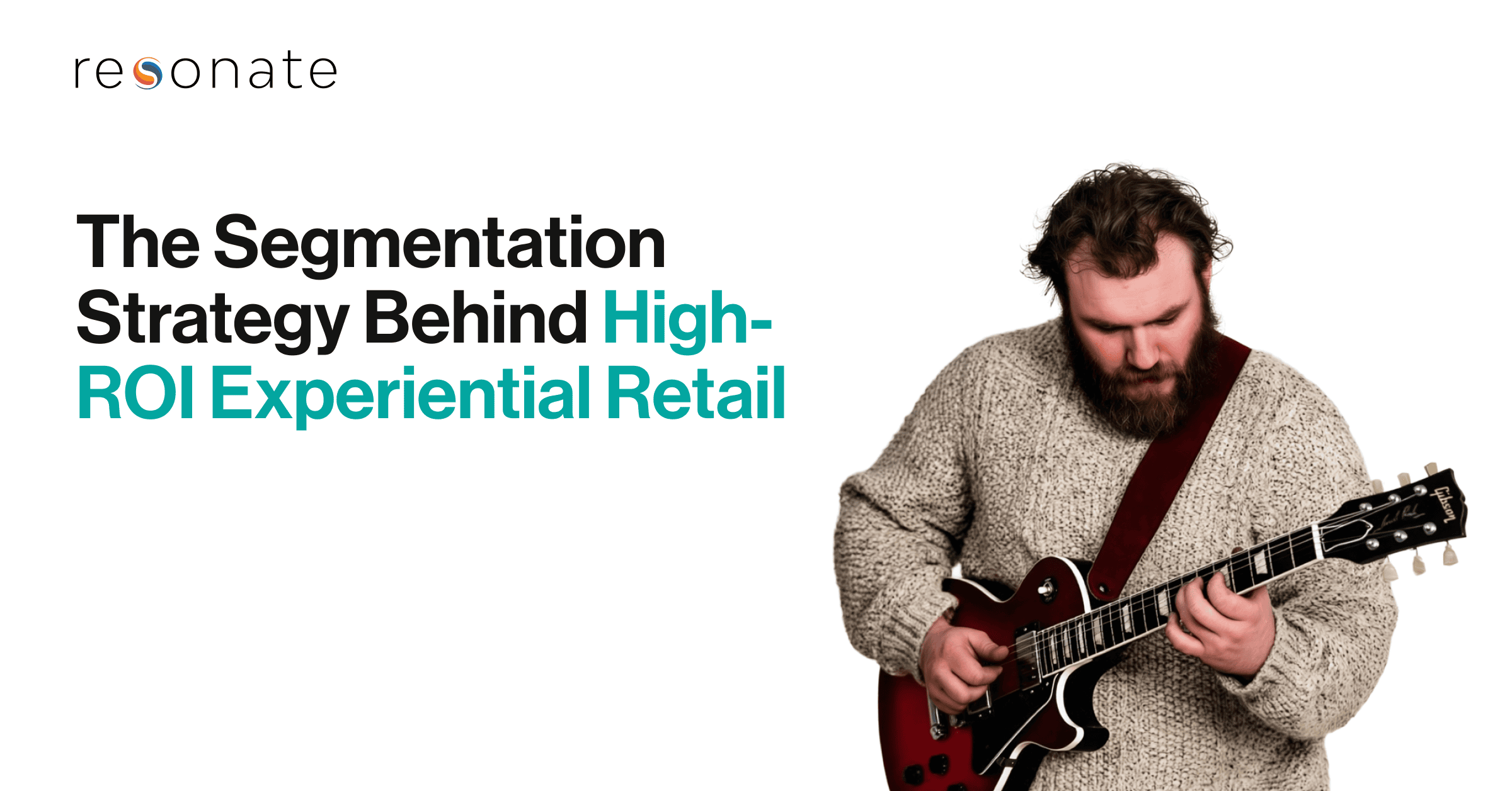
In early September 2026, Gibson Guitars launched its third Garage destination in Miami. The 8,000-square-foot warehouse is more than just a big store: It’s an experience meant to cater to the interests and preferences of the numerous audience segments that make up Gibson’s customer base. Everyone from casual fans to serious musicians can find something just for them at Gibson Garage Miami, whether they’re looking to build a cool guitar to take on tour or want to stroll down rock n’ roll memory lane and look at music history memorabilia.
The Garage represents the cutting edge of experiential retail. “The Garage works because it goes far beyond the transaction; it invites people in to play, explore, create, connect, and experience Gibson heritage in the real world. Whether you’re a lifelong Gibson player, an emerging artist, or someone picking up a guitar for the first time, this is a place where music feels welcoming, inspiring, and real. Miami is a city with music in its DNA,” says Anne Rohosy, Interim CEO of Gibson.
The Lesson of the Gibson Garage for Marketers
For marketers, the Gibson Garage succeeds as a combination of two core disciplines: curated experiences and precision segmentation. While the Gibson brand is always going to hold appeal to their macro audience of “guitar buyers,” broadly targeted efforts don’t always translate into unique, engaged experiences. So, Gibson designed the Garage for specific segments, including novice musicians, professionals, collectors, music lovers, and people from Miami’s cultural landscape.
That attention to detail is worth it; the experiential retail market is huge. Fortune Magazine estimates it will grow from $130.60 billion in 2026 to $315.37 billion by 2034. But to do it properly and craft something that continues to appeal to current customers but also excites new ones who may not have bought anything from you yet, you need to really understand your audience.
That’s a segmentation challenge, and to conquer it like Gibson, you need consumer data that pushes beyond the transactional layer.
What Gets Missed When Segments Are Based Only on First-Party Data?
First-party data is incredibly valuable; it gives you a big-picture overview that includes things like age, location info, and other high-level identifiers. It’s the demographic layer at the foundation of most CRM records, and these tend to drive most segmentation models because they are common currency in media buying. TV, social, and programmatic platforms all target demos, so those segments go directly into the media plan. Combined with transactional and behavioral data from existing customers, this layer fuels typical segmentation.
But this layer is not giving you what you need to stand out in today’s hyper-competitive, AI-powered business landscape. You can have (and probably do have) multiple customers with the same transaction patterns from similar demos but who behave in ways you can’t predict.
Let’s say you’re Gibson. Your first-party data tells you the average order value, purchase frequency, and where your customers made their purchases. It doesn’t tell you about their love for Latin music, or their ambitions to one day build a custom guitar, or that they’re about to go on tour or cut their first record. In other words, that data doesn’t give you enough to curate your multi-million dollar bet on experiential retail in a way that attracts a range of very specific, very different consumers.
How to Improve Your First-Party-Data Audience Segments
To understand who your customer really is, you need a layer that explains why they do things. Why do they buy guitars from Gibson, for instance, rather than competitor? What do they love about music? Is it playing it? Is it the experience of attending a concert? Is it the way a great guitar solo makes them feel? How about all of the above?
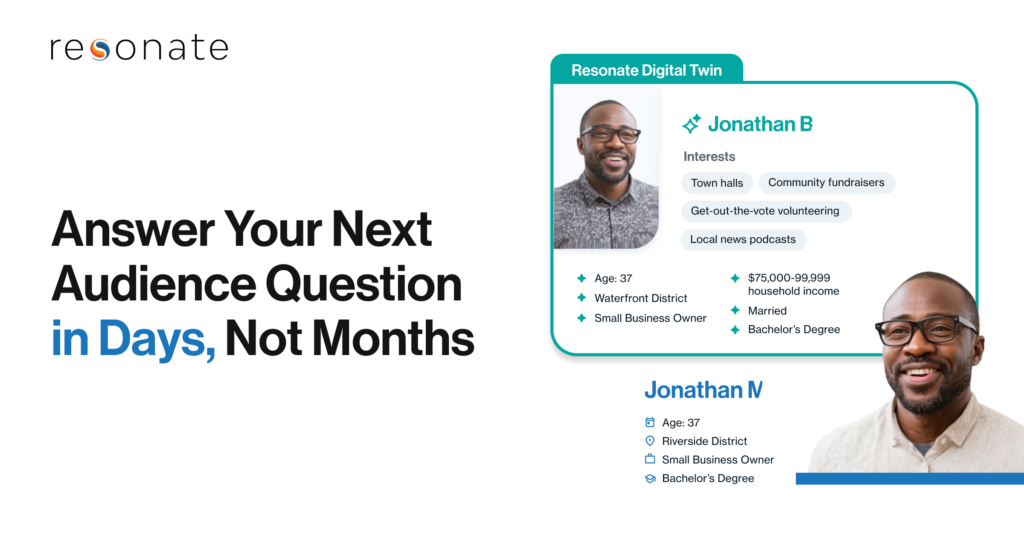
Predictive consumer intelligence (PCI) fills in the picture by identifying the values, motivations, and purchase drivers behind buying behavior. When you match your customer file against a PCI data set, each record gains thousands of attributes that explain why people buy, not just what they bought. This means you can tailor offers, messages, investment, and (yes!) even experiences to the right segments individually.
Let’s look at the example of two people, each buying a guitar. One is a professional musician, driven by aspirations of being admired, influencing other people, and creating a career for themselves. The other is a music lover who values the excitement of owning their favorite rock star’s guitar and the feeling of being in the front row at a concert. First-party data can’t tell these people apart, but 1P data enriched with predictive intelligence makes it possible to see the individuals behind these identical purchases.
That makes Gibson’s experiential retail strategy easier to create and far more effective. They know they need to include the Gibson Custom Made–to–Measure program for the professional about to go on tour, since that person will have exacting specifications for their dream guitar. Gibson also knows they need to include artist performances and historic memorabilia from iconic moments in music history for the fan who wants to feel connected to the music they love so much.
Get the Segmentation Advantage Your Competitors Don’t Have Yet
No matter how fancy the tools get, effective marketing is still built on understanding your customers better. That’s the backbone of great segmentation. First-party data gives you the outline of your customer, but predictive consumer intelligence provides the rich details that allow you target the right person with the right experience.
That’s the secret to high-ROI brand strategies like the Gibson Garage.
Resonate is the leader in predictive consumer intelligence, making it possible to fill in gaps in your consumer understanding and drive revenue, whether you’re working on a brand-new retail experience or a traditional marketing campaign. To learn more about which segments you might not be seeing in your data, schedule a consultation with a Resonate data expert today.