


Mocktails. Spirit-free. Non-alcoholic bevvies. Whatever you want to call them, beer, wine, and cocktails sans alcohol have exploded in popularity over the last few years. What started as a fast-moving trend has turned into an enduring movement that has caused seismic shifts in the restaurant, beer, and liquor industries.
In fact, in the April 2026 Resonate Consumer Trends Report, our data showed that ready-to-drink non-alcoholic beverages are a more popular choice than liquor among people who will be celebrating the Fourth of July. More than twenty-one percent of consumers will be grabbing a mock-something, while 20.9% will stick with traditional hard liquor.
Marketers have a wealth of data on people who consume alcohol, but what about teetotalers or the sober curious? There, brand and agency professionals are operating at a bit of a disadvantage.
The trend is still relatively new, and the consumer intelligence infrastructure hasn’t fully caught up to it. That means brands chasing this audience are often making assumptions about who these consumers are, what drives their choices, and how to reach them. These assumptions can lead to messaging that misses the mark or media spend that lands in the wrong places entirely.
Whether someone is sober for health reasons, personal values, religious beliefs, or simply because they prefer it, the motivation behind the choice shapes everything about how they want to be marketed to. Without that depth of understanding, even a well-intentioned campaign risks feeling tone-deaf to a growing audience.
In a market where nearly every major beverage company has entered the non-alcoholic category, demographic and transactional data alone will not create separation. Predictive consumer intelligence (PCI) gives marketers an individual-level understanding of what drives purchase decisions, from personal values and lifestyle motivations to intent signals that indicate who is ready to buy right now. That depth of understanding means brands can build audiences around the people most likely to convert, personalize messaging to what genuinely resonates with each segment, and stay ahead of shifting consumer behavior as the category continues to grow.
In this blog, we’ll look at an audience of Mocktail Drinkers built using Resonate’s PCI and explore the values and motivations underlying their beverage choices, as well as how you can use this information to get their attention in a noisy industry.
What Does Predictive Consumer Intelligence Reveal About Mocktail Drinkers?
While they’re represented across every age group, 56% of Mocktail Drinkers are between the ages of 25 and 44, making them Gen Zers and Millennials. Understanding their core values can offer key insight in the best ways to reach them:
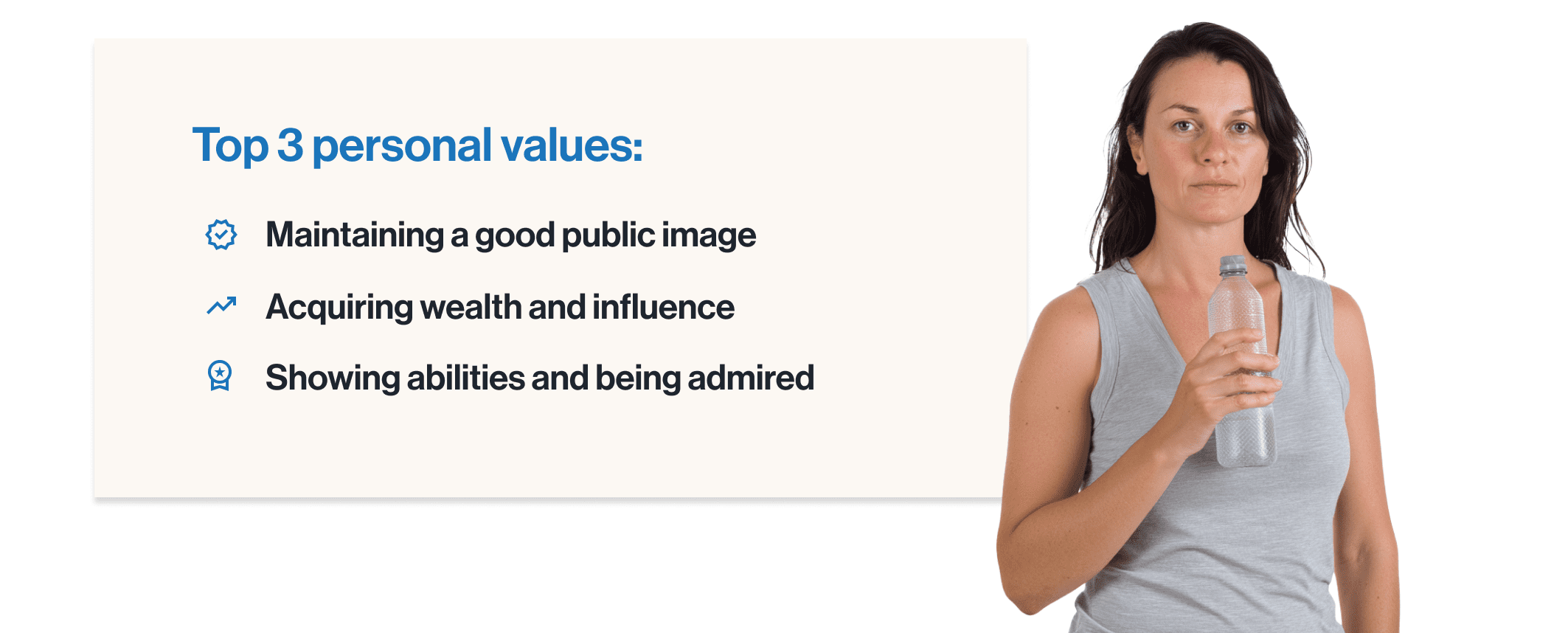
For a non-alcoholic beverage brand, these three values tell a clear and actionable story. This is an audience that is publicly visible, status-conscious, and motivated by how they are perceived by others. In giving up alcohol or reducing their intake, they are making a statement. They’re proud of their sobriety.
Here’s the opportunity: Position your product not as another NA beverage, but as a part of an aspirational image. Make it part of how these consumers, as their best selves, show up at a dinner table, a rooftop, a client meeting, or a weekend away, and what it communicates about them when they do.
Practically, this translates to a few things. Creative should reflect environments where being seen matters. Influencer and partnership strategies should prioritize credibility and social visibility. Messaging should center confidence and intention, not sacrifice.
What Are Mocktail Drinkers’ Motivations for Staying Sober?
As we mentioned earlier, people who opt for non-alcoholic beverages have myriad, personal reasons for doing so. Because predictive consumer intelligence focuses on consumers’ personal motivations, it can bring useful information about how to engage them to light. Let’s look at the Mocktail Drinkers’ reasons for picking NA beverages:

What this data tells marketers is that the Mocktail Drinker is driven by enjoyment rather than restriction. The dominant reasons for choosing NA beverages are fun, social connection, and treating themselves, which means the winning creative angle is “this is what you drink because you want to.”
Campaigns that lean into the celebratory, social, and indulgent aspects of mocktails and position them as a genuine choice rather than a consolation prize will resonate far more than messaging built around abstinence or wellness sacrifice. This is an audience that wants to feel included in the moment, not left out of it because of their sobriety choices.
Where Can You Find Mocktail Drinkers This Summer?
Unlike their alcohol-filled counterparts, NA beverages are free to go wherever someone might take them this summer. Successful brands should think beyond the barstool. Aim to put a mocktail or ready-to-drink NA beverage in consumers’ hands at every activity all summer long. Here’s what the Mocktail Drinkers are planning to do in their downtime in the next few months:
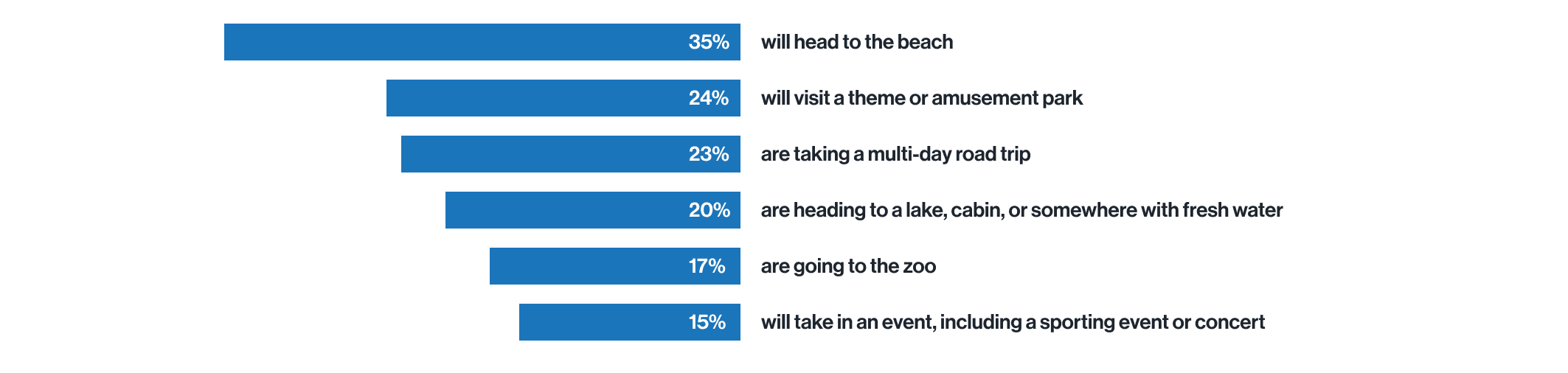
This is an active, experience-driven audience that plans to spend the next few months out in the world. Rather than marketing the drink in isolation, brands can position their products as part of the experience itself: the road trip cooler, the beach day refreshment, the concert alternative that still feels festive. Sponsorships, experiential activations, and location-based digital targeting at or near these venues are all well-aligned with where this audience is literally going to be.
The data also suggests that out-of-home and travel-adjacent placements — think highway billboards, travel apps, and venue-based ads — could perform well above average with this group. The underlying message writes itself: Wherever the fun is, this drink belongs there, too.
See the Resonate Difference
Whether you’re marketing to sober Gen Zers, lovers of non-alcoholic beer, the crowd that wants to take cans of something refreshing to the beach without paying for it the next day, or the after-work mocktail crowd, Resonate can help you reach your audience wherever they are, whoever they are. To learn more about our 15,000+ attributes or to get started building custom audiences with continuously updated predictive consumer intelligence, schedule a consultation with a data expert today.